If you are planning a trip to Morocco, one of the first questions you may have is: is Morocco safe to travel to?
For most visitors, Morocco can be an exciting and rewarding travel destination when they take sensible precautions, respect local laws and customs, and stay aware of their surroundings.
Morocco welcomes travelers with a unique combination of ancient cities, colorful souks, Atlantic and Mediterranean beaches, the Atlas Mountains, traditional villages, and the Sahara Desert. Popular destinations such as Marrakech, Fes, Casablanca, Chefchaouen, Essaouira, Agadir, and Merzouga are well established on international travel itineraries.
However, no destination is completely risk-free. Current U.S. government travel advice recommends increased caution in Morocco because of terrorism. Travelers should also be aware of petty crime, scams, demonstrations, road safety, and local laws.
This guide answers the most important questions about Morocco travel safety and explains what you should know before visiting the country in 2026.
This guide answers the most important questions about Morocco travel safety and explains what you should know before visiting the Country.
For additional travel resources, visit iTravelNet, one of our travel partners.
Morocco Safe to Travel
So, is Morocco safe to travel right now? For the vast majority of international visitors, yes, Morocco is generally a safe country to visit. Millions of travelers visit Morocco each year, and most trips are trouble-free when visitors follow basic travel safety practices, such as staying aware in busy areas, protecting valuables, using reputable transportation, and checking the latest official travel advisories before departure.
That said, Morocco safe to travel is not a simple yes-or-no question. Your experience can vary depending on:
• Which Morocco destinations and cities you visit
• Whether you travel independently or join a private Morocco tour
• How familiar you are with Moroccan laws, local customs, and travel advice
• The precautions you take with transportation, accommodation, money, and nighttime travel
For travelers planning a vacation from the United States, it is also useful to understand Morocco travel safety for American tourists, including common tourist scams, areas where extra caution is recommended, and practical tips for staying safe in Morocco.
Keep this overview as a quick reference before exploring the detailed sections below, covering Morocco safety for solo travelers, families, women, LGBTQ visitors, and backpackers, as well as Morocco’s current travel advisory, safest cities to visit, common scams to avoid, and essential safety tips for your trip.
Is Morocco Safe to Travel to Right Now?
Yes, Morocco can be a safe country to visit, provided that travelers use normal precautions and stay informed.
The US Department of State currently lists Morocco as Level 2: Exercise Increased Caution, citing terrorism as the reason for the advisory. The advisory notes that terrorist groups continue plotting possible attacks in the region, and it advises travelers to remain alert in tourist locations, transportation hubs, markets, and crowded areas, and to avoid demonstrations.
The UK Foreign, Commonwealth & Development Office also advises travelers to stay aware of their surroundings, and its guidance highlights petty crime, scams, occasional violent crime, demonstrations, and transportation-related risks. UK guidance also flags extra caution near the Algerian border and in Morocco’s far southern areas.
So the answer to “is Morocco safe to travel?” is not simply yes or no. Like any international destination, your experience depends partly on where you go, how you travel, and how well prepared you are.
Is Morocco Safe for Tourists?
Morocco is a major international tourism destination, and many visitors travel there for vacations, cultural experiences, desert tours, beach holidays, and city breaks.
Most travelers spend their trips visiting popular tourist destinations without major problems. The most common everyday issues visitors should be aware of include:
• Pickpocketing
• Bag snatching
• Tourist scams
• Unofficial guides
• Aggressive begging
• Traffic and road safety
• Unwanted attention
• Getting lost in unfamiliar areas
The US travel advisory notes that petty crime is common in major cities and tourist areas, particularly in crowded locations, markets, and public transportation. Simple precautions can significantly reduce these risks.
Is Morocco Safe for American Tourists?
Yes, American tourists can visit Morocco, but they should review current travel advice before departure.
The US Department of State currently recommends Exercise Increased Caution for Morocco because of terrorism. It also advises travelers to remain alert in tourist areas, avoid demonstrations and large gatherings, and monitor local developments.
American travelers should also familiarize themselves with Moroccan laws and customs before their trip. It’s a good idea to:
• Keep your passport secure and carry a copy separately.
• Buy travel insurance, including medical evacuation coverage.
• Keep digital copies of important documents.
• Stay aware in crowded places.
• Avoid demonstrations.
• Respect Moroccan laws and customs.
• Save emergency contact information, including the nearest US consulate.
Planning to visit Morocco? Explore our private Morocco tours or contact us to start planning your trip.
Is Morocco Safe to Travel for UK Travellers?
So, is Morocco safe to travel to from the UK? For the vast majority of British tourists and UK travellers, Morocco is generally a safe destination for a holiday when normal travel precautions are followed. Millions of international visitors travel around Morocco each year, and most holidays are trouble-free. Before travelling, however, British visitors should check the latest FCDO Morocco travel advice, take out suitable travel insurance, and stay aware of local safety guidance.
For UK travellers, Morocco travel safety can depend on where you go, how you travel, and how well you understand local customs and laws.
Keep these points in mind:
• The cities, regions, and attractions you plan to visit
• Whether you travel independently or with a Morocco tour from the UK
• Local laws, customs, and cultural differences
• Safety when using taxis, public transport, accommodation, and ATMs
• Extra care in busy tourist areas, medinas, and after dark
• Checking FCDO travel advice for Morocco before and during your trip
British nationals should also be aware that Morocco has laws and customs that differ from those in the UK, so respecting local traditions is an important part of having a safe and enjoyable holiday.
The sections below cover Morocco safety for British tourists, solo travellers, families and women, as well as common scams, safest cities to visit, transportation safety, and practical Morocco travel tips for UK travellers.
Planning to visit Morocco? Explore our Morocco tours or contact us to start planning your trip.
Is Morocco Safe for Solo Travelers?
Solo travel in Morocco can be a rewarding experience, especially for travelers who enjoy exploring cities, meeting people, and creating their own itinerary. However, traveling alone requires additional planning.
Solo travelers should be particularly careful when walking through unfamiliar neighborhoods at night, using transportation, carrying valuables, and accepting unsolicited assistance.
Staying in reputable accommodation and planning transportation in advance can make a solo trip considerably easier. For remote areas such as the Sahara Desert or Atlas Mountains, many travelers prefer using an organized excursion or private tour rather than navigating everything independently.
Is Morocco Safe for Solo Female Travelers?
Solo female travel in Morocco is possible, but women may experience unwanted attention, and official advisories note that women walking alone in some areas of cities can be vulnerable to harassment.
Female travelers can make their trip more comfortable by:
• Choosing well-reviewed accommodation.
• Avoiding isolated areas at night.
• Dressing respectfully according to local customs.
• Using reputable transportation, such as registered taxis or ride-share apps.
• Being confident when declining unwanted attention.
• Keeping friends or family informed about their itinerary.
The goal is not to discourage women from visiting Morocco.
• Rather, understanding the cultural environment can help create a smoother travel experience.
Is Morocco Safe for LGBTQ Travelers?
This is an important question to research before booking, since it involves local law rather than just general safety precautions.
Same-sex sexual relations are criminalized under Moroccan law, and a US travel guidance notes this can carry penalties including fines and imprisonment. Public displays of affection between same-sex couples can also draw unwanted attention.
LGBTQ travelers who do visit Morocco are generally advised to be discreet in public, research accommodations carefully, and stay informed through official government travel-advice pages for LGBTQ travelers before finalizing plans.
Is Marrakech Safe?
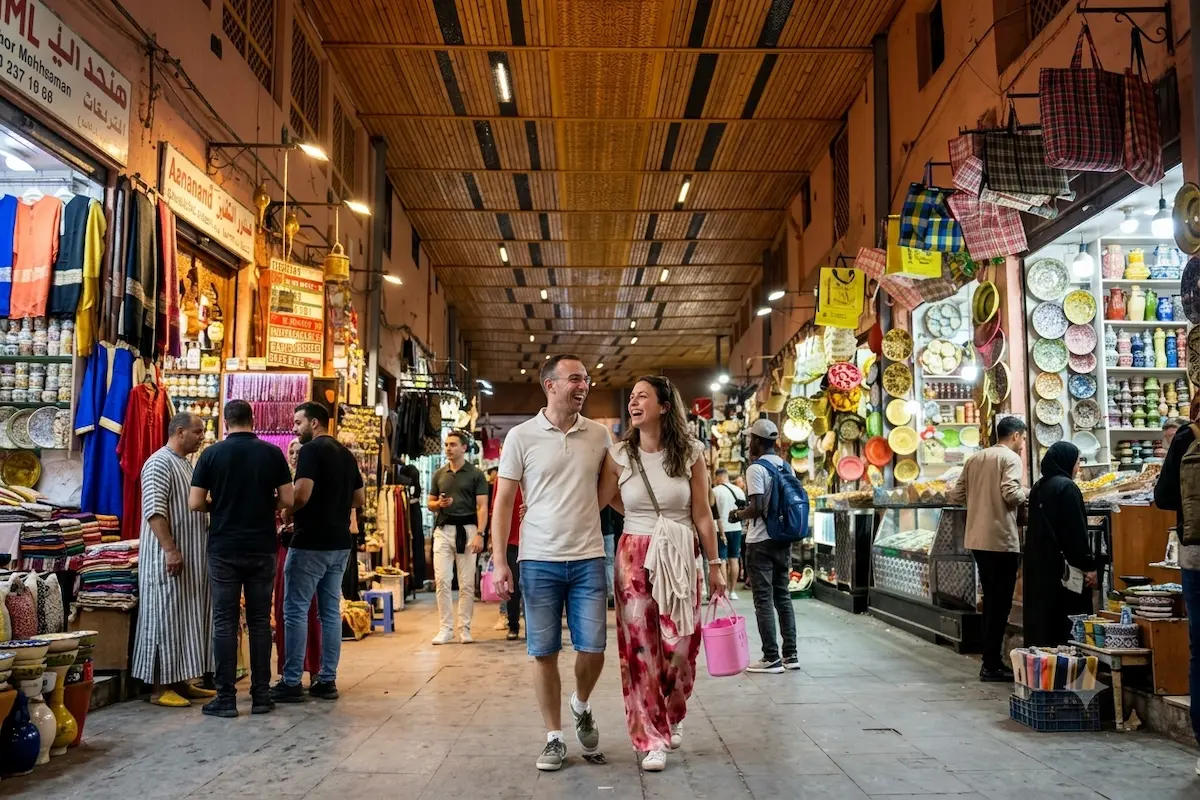
Marrakech is one of the most visited cities in Morocco and is a popular destination for international travelers. The city offers historic palaces, gardens, traditional riads, restaurants, markets, museums, and the famous Jemaa el Fna square.
The Medina can be crowded and confusing, especially for first-time visitors. Petty crime can occur in busy tourist areas, so travelers should keep phones, wallets, passports, and other valuables secure. Official travel advice specifically warns about pickpocketing and bag-snatching in tourist areas and medinas.
Is Marrakech safe at night?
Many parts of Marrakech remain lively after sunset, particularly in popular tourist areas. However, visitors should avoid quiet and poorly lit streets, especially if they don’t know the neighborhood. If you’re staying in a Medina riad, ask the property for the safest route back to your accommodation.
Is Fes Safe?
Fes is one of Morocco’s most important historic cities and is famous for its ancient Medina, traditional crafts, architecture, and cultural heritage.
The Fes Medina can be difficult to navigate because of its narrow streets and complicated layout. Visitors should be cautious about people who approach them offering unsolicited guiding services, UK travel advice recommends checking that guides working in historic districts have official authorization. If you want to explore the Medina with a guide, choosing an officially authorized guide can make the experience more comfortable.
Is Chefchaouen Safe?
Chefchaouen is one of Morocco’s most famous mountain towns and is known for its blue-painted streets. It’s popular with photographers, backpackers, couples, and independent travelers.
As with other Moroccan destinations, basic precautions are recommended: keep valuables secure, stay aware of your surroundings, and use caution when exploring quiet areas after dark.
Is Casablanca Safe?
Casablanca is Morocco’s largest city and an important business and transportation hub. It offers attractions such as the Hassan II Mosque, the Corniche, markets, restaurants, and modern shopping areas.
Because it’s a large urban environment, visitors should use the same precautions they would use in any major city: keep your belongings secure in crowded areas, and avoid walking alone through unfamiliar neighborhoods late at night.
Is Essaouira Safe?
Essaouira is a popular Atlantic coastal destination known for its historic Medina, beaches, seafood, fishing harbor, and relaxed atmosphere. It’s often considered a comfortable stop for travelers looking for a slower pace after visiting larger cities. Visitors should still use normal precautions, particularly around crowded areas and beaches.
Is Agadir Safe?
Agadir is one of Morocco’s best-known beach destinations, attracting travelers looking for beaches, sunshine, resorts, restaurants, and coastal activities. As with other tourist destinations, keep valuables secure and avoid isolated areas at night.
Is the Morocco Sahara Desert Safe?
The Sahara Desert is one of Morocco’s most popular travel experiences. Destinations such as Merzouga and Erg Chebbi attract visitors interested in camel trekking, desert camps, sunset experiences, 4×4 excursions, and cultural experiences.
Because the desert is remote, preparation is important. Travelers should use experienced local providers and make sure transportation, accommodation, and activities are properly organized. For first time visitors, a Morocco desert tour can be an easy way to combine several destinations while having local support.
Is Merzouga safe to visit?
Merzouga is a popular tourism destination near the Erg Chebbi dunes. Many travelers visit as part of a multi-day route between Marrakech and Fes, such as:
Marrakech → Ait Ben Haddou → Ouarzazate → Dades Valley → Todra Gorge → Merzouga → Fes
This route combines historic sites, mountain landscapes, valleys, traditional villages, and the Sahara Desert. For travelers unfamiliar with Morocco, arranging transportation and desert accommodation through an established tour provider can simplify the journey.
Is Morocco Safe Places to Visit?
Morocco has several transportation options, including trains, buses, taxis, private transportation, and rental cars.
Trains connect several major cities, including Marrakech, Casablanca, Rabat, Fes, and Tangier, and are generally a convenient and safe way to move between destinations, though theft can occasionally occur, keep valuables close.
Buses are useful for reaching destinations not directly connected by train. Use established transportation companies and keep belongings secure during the journey.
Private transportation can be particularly convenient for multi-day trips involving the Atlas Mountains, desert regions, and smaller towns, since a private driver reduces the difficulty of navigating unfamiliar roads.
Driving in Morocco: if you plan to rent a car, research local driving conditions carefully. Official travel advice warns that poor lighting, mountain roads, overloaded vehicles, and unpredictable driving practices can make some journeys more challenging, particularly at night and in the Rif and Atlas Mountains.
Common Tourist Scams in Morocco
Like many popular destinations, Morocco has some common scams travelers should understand.
Unofficial tour guides
people may approach tourists in historic areas offering to guide them. If you want a guide, use an officially authorized guide or a reputable tour company.
Unsolicited directions
someone may offer directions and later ask for money. If you need help, consider asking your hotel, riad, or another established business.
Shopping scams
some visitors encounter misleading prices or aggressive sales tactics in markets. Confirm the price before agreeing to purchase anything.
ATM and money safety
be cautious when using ATMs in crowded areas, keep cash and cards secure, and avoid displaying large amounts of money.
Online and romance scams
official advisories also warn about romance scams and requests for money that begin online; be cautious with anyone you’ve only met through a dating app or social media asking for financial help.
Is Morocco Safe at Night?
Morocco can be enjoyed after sunset, especially in busy tourist areas. However, travelers should avoid isolated beaches, parks, poorly lit streets, and unfamiliar neighborhoods at night, since violent crime, although less common than petty theft, can occur.
If you’re going out at night:
• Stay in busy areas.
• Avoid isolated streets.
• Keep your phone secure.
• Use reputable, registered transportation.
• Know how to return to your accommodation in advance.
Morocco Travel Safety Tips
Keep your valuables secure
Don’t carry unnecessary amounts of cash or expensive items. Use a secure bag and keep your phone and wallet where they’re difficult to access.
Choose accommodation carefully
Read recent reviews before booking your hotel or riad, location matters especially if you expect to return after dark.
Keep copies of important documents
Save a digital copy of your passport, travel insurance, and reservations.
Stay connected
Mobile internet makes it easier to use maps, contact your accommodation, and communicate during your trip.
Avoid demonstrations
These can occur in major cities and may develop unexpectedly; both U.S. and UK guidance advise avoiding them and monitoring local news.
Respect local customs
Visitors should respect local traditions, religious sites, and cultural norms. During Ramadan in particular, be aware of changes to opening hours and local practices.
Morocco Safety Tips for Backpackers
Backpackers exploring Morocco independently should pay extra attention to a few things: book your first night or two in advance so you’re not searching for accommodation after dark, keep your pack’s zippers secured or locked on overnight buses and trains, and vet desert or mountain excursions through reviews before paying anything. Hostels and budget riads in well-known tourist areas of Marrakech, Fes, and Chefchaouen tend to have more experience supporting solo and budget travelers than smaller guesthouses in less-visited towns.
What Is Morocco’s Crime Rate Like for Tourists?
Violent crime against tourists in Morocco is relatively uncommon, and most safety concerns reported by visitors involve petty theft, pickpocketing, and scams rather than serious crime. Official government advisories place Morocco at the same “increased caution” advisory tier as several popular European destinations. That said, no destination is risk-free, and travelers should still take normal precautions rather than assume total safety.
Is Morocco Safe for Families?
Morocco can be an enjoyable destination for families. Popular family destinations include Marrakech, Essaouira, Agadir, Fes, and the Sahara Desert. Families should pay particular attention to traffic, crowded areas, heat, hydration, and transportation arrangements. Choosing family friendly accommodation and organizing longer journeys in advance can make a family vacation easier.
Is Morocco Safe for Older Travelers?
Morocco can also be suitable for older travelers. The main consideration is usually the style and pace of the itinerary. Travelers who prefer comfort may choose private transportation, well-located hotels or riads, and a slower itinerary rather than trying to visit too many destinations in a short time.
What Should You Avoid in Morocco
• Walking alone through isolated areas after dark.
• Carrying large amounts of cash.Displaying expensive valuables unnecessarily.
• Accepting unsolicited guiding services.
• Following strangers to unfamiliar places.
• Joining demonstrations.Ignoring local laws.
• Driving long distances at night if you’re unfamiliar with local roads.
• Entering remote mountain or desert areas without preparation.
What Are the Safest Places to Visit in Morocco?
There is no official ranking of safest cities, since safety can vary by neighborhood and situation. However, major tourist destinations such as Marrakech, Fes, Essaouira, Agadir, Chefchaouen, and Merzouga have well-established tourism infrastructure.
Rather than choosing a destination based only on a safety ranking, focus on:
• Where you’re staying.
• How you’ll move around.
• Whether you’re traveling during the day or night.
• Whether you’re using reputable services.
• How well you understand the local area.
Should You Book a Morocco Tour?
You don’t have to book a tour to visit Morocco. Independent travelers can use trains, buses, taxis, hotels, riads, and local activities to organize their own trips.
However, booking a private tour with a local guide is one of the best ways to enjoy a unique experience and discover more of Morocco. You can book a private Morocco tour with Global Morocco Tours to visit several destinations, explore remote areas, and experience the Sahara Desert without organizing every part of your journey yourself. A private itinerary can combine Marrakech, the Atlas Mountains, Ait Ben Haddou, Ouarzazate, Dades Valley, Merzouga, and Fes while giving you greater flexibility and a more personalized travel experience.
Is Morocco Worth Visiting?
Absolutely. Morocco offers an extraordinary combination of landscapes and cultures. You can explore ancient medinas, visit historic kasbahs, hike through the Atlas Mountains, enjoy Atlantic beaches, taste Moroccan cuisine, meet local communities, and experience the Sahara Desert.
The country is especially appealing to travelers who want a destination that combines culture, adventure, history, nature, and authentic local experiences.
Morocco Safety and Travel Advisory
Morocco is widely considered a relatively stable travel destination, but no country can be described as completely risk-free. The 2026 Global Peace Index, published by the Institute for Economics & Peace, ranks Morocco 65th globally and 4th in the MENA region, providing an independent international measure of the country’s overall level of peacefulness.
For travelers from the United States, the U.S. Department of State currently places Morocco at Level 2: Exercise Increased Caution, citing terrorism as the main reason for the advisory. The same guidance notes that Morocco has strong security services and recommends normal personal-security precautions in tourist areas.
British travellers should also check the latest FCDO Morocco travel advice before departure. The UK government advises travellers to research their destination, obtain appropriate travel insurance, and review the latest safety and security information before travelling.
Final Verdict: Is Morocco Safe to Travel?
Yes, Morocco can be a rewarding destination for tourists who prepare properly and take sensible precautions. At the same time, travelers should not ignore official travel advice. The US currently recommends Exercise Increased Caution because of terrorism, while UK guidance highlights terrorism, petty crime, scams, demonstrations, and some transportation risks.
The best approach is to stay informed without becoming overly worried. Protect your belongings, avoid isolated areas at night, use reputable transportation and guides, respect Moroccan laws and customs, and check your government’s latest travel advice before departure.
With good planning, Morocco can be an unforgettable destination for a vacation, whether you’re traveling alone, with friends, as a couple, or with family.
Frequently Asked Questions About Morocco Travel Safety
Is Morocco safe to travel to in 2027?
Current official advice recommends increased caution in Morocco. The US Department of State lists Morocco at Level 2 because of terrorism. Travelers should review the latest official advice before departure.
Is Morocco safe for tourists?
Yes, Morocco can be safe for tourists who use normal precautions, protect their belongings, avoid isolated areas, and respect local laws and customs.
Is Morocco safe for American tourists?
American tourists can visit Morocco, but the US Department of State currently recommends exercising increased caution because of terrorism.
Is Morocco safe for solo travelers?
Yes. Solo travelers can explore Morocco, although they should take additional care with transportation, accommodation, nighttime travel, and unsolicited assistance.
Is Morocco safe for female travelers?
Women can travel in Morocco, but solo female travelers may experience unwanted attention. Respecting local customs and choosing reputable accommodation and transportation can help.
Is Morocco safe to travel to right now,
Most travelers do not need to postpone a Morocco trip. The advisory level reflects a general recommendation for increased vigilance, not a warning to avoid travel, check your government’s official advisory page closest to your departure date for any updates.